
OpenClaw vs AutoGPT: Which AI Agent Is Right for You?

OpenClaw and AutoGPT both promise autonomous AI agents—systems that work toward goals without constant human supervision. But they take fundamentally different approaches. OpenClaw offers a managed, integrated experience; AutoGPT provides open-source flexibility for technical users.
This comparison examines both platforms across every dimension that matters: setup complexity, capabilities, costs, reliability, and ideal use cases. By the end, you'll know which fits your needs.
Quick Comparison Overview
 Key differences between OpenClaw and AutoGPT at a glance
| Factor | OpenClaw | AutoGPT |
|---|---|---|
| Type | Managed platform | Open-source framework |
| Setup time | Minutes | Hours to days |
| Technical skill | Low-medium | High |
| Base cost | $0-49/mo | Free (compute + API costs) |
| Reliability | High | Variable |
| Customization | Moderate | Unlimited |
| Support | Official | Community |
| Best for | Productivity, business | Research, custom builds |
1. Architecture and Philosophy
 Different approaches to autonomous AI
OpenClaw Architecture
OpenClaw is designed as an integrated system. The components work together:
- Core agent: Claude-powered reasoning engine
- Tool system: Pre-built integrations for common tasks
- Memory layer: Persistent context across sessions
- Scheduling: Built-in cron and event triggers
- Interface: CLI, API, and messaging platform bridges
Philosophy: Provide a complete, working system. Users configure rather than build.
AutoGPT Architecture
AutoGPT is a framework you assemble:
- Core agent: Pluggable LLM (GPT-4, Claude, others)
- Tool system: Plugin architecture for extensions
- Memory layer: Various backends (local, Pinecone, etc.)
- Scheduling: External (cron, workflow tools)
- Interface: CLI and web UI options
Philosophy: Provide building blocks. Users construct their own solutions.
Key Architectural Differences
Integration depth:
- OpenClaw: Deep, opinionated integration between components
- AutoGPT: Loose coupling, swap components freely
Maintenance responsibility:
- OpenClaw: Platform handles updates, compatibility
- AutoGPT: You manage dependencies, updates, conflicts
Extensibility:
- OpenClaw: Add integrations within the framework
- AutoGPT: Modify anything, including core behavior
2. Setup and Installation
 Getting started differs dramatically
OpenClaw Setup
Time required: 5-15 minutes
curl -sSL https://openclaw.ai/install.sh | bash

mkdir -p ~/.openclaw/workspace && cd ~/.openclaw/workspace
openclaw init

export ANTHROPIC_API_KEY="sk-ant-..."

openclaw run "What can you do?"
What's handled for you:
- Dependencies installed automatically
- Configuration defaults work out of the box
- Integrations available immediately
- Updates managed by platform
AutoGPT Setup
Time required: 1-4 hours (first time)
git clone https://github.com/Significant-Gravitas/AutoGPT.git
cd AutoGPT

python3 -m venv venv
source venv/bin/activate

pip install -r requirements.txt

cp .env.template .env
nano .env

cd plugins

python -m autogpt
What you must handle:
- Python environment management
- Dependency conflicts
- Plugin compatibility
- Configuration tuning
- Error diagnosis
Setup Comparison Analysis
| Aspect | OpenClaw | AutoGPT |
|---|---|---|
| Time to first run | 5 min | 1-4 hours |
| Technical prereqs | Minimal | Python, Git, CLI |
| Configuration files | Few, simple | Many, complex |
| Error likelihood | Low | High (first time) |
| Documentation quality | Focused | Variable |
3. Capabilities Comparison
 Both platforms handle autonomous tasks differently
Task Execution
OpenClaw:
- Structured task handling with progress tracking
- Built-in safety checks for destructive operations
- Sub-agent spawning for complex tasks
- Reliable completion or graceful failure
AutoGPT:
- Free-form goal pursuit
- Iterative problem-solving
- Sometimes loops or loses track
- Maximum flexibility in approach
Tool Integration
OpenClaw built-in tools:
- Email (Gmail, Outlook, IMAP)
- Calendar (Google, Outlook)
- Browser automation
- File system operations
- Messaging (Slack, Discord, Telegram)
- Web search and scraping
- Node device control
AutoGPT plugins (examples):
- Web browsing
- Code execution
- File operations
- Image generation
- Audio transcription
- Custom API calls
- Database access
Memory Systems
OpenClaw:
- File-based memory (MEMORY.md, daily logs)
- Structured context management
- Automatic context summarization
- Cross-session persistence
AutoGPT:
- Vector store backends (Pinecone, Weaviate, local)
- Configurable memory scope
- Manual management required
- More options, more complexity
Scheduling and Automation
OpenClaw:
- Built-in cron system
- Heartbeat monitoring
- Event triggers
- Integration with system cron
AutoGPT:
- No built-in scheduling
- Requires external orchestration (cron, workflow tools)
- More flexible but more work
4. Cost Analysis
 Total cost of ownership differs by usage pattern
OpenClaw Costs
Platform costs:
- Free tier: Basic capabilities, limited usage
- Pro (
$49/mo): Full features, reasonable limits - Enterprise: Custom pricing
API costs:
- Uses Anthropic Claude
- ~
$3-15per million tokens (varies by model) - Included optimization reduces waste
Infrastructure:
- Cloud hosting optional (
$5-20/mo) - Can run locally
Typical monthly cost:
- Light usage:
$0-20 - Moderate usage:
$49-100 - Heavy usage:
$100-300
AutoGPT Costs
Platform costs:
- Free (open-source)
API costs:
- Typically OpenAI GPT-4
- ~
$30per million tokens (input) - ~
$60per million tokens (output) - Often higher due to iteration loops
Infrastructure:
- Must self-host
- VPS:
$5-50/mo - Or local machine
Plugin costs:
- Some premium plugins have fees
- SerpAPI, browser tools, etc.
Typical monthly cost:
- Light usage:
$20-50 - Moderate usage:
$50-200 - Heavy usage:
$200-1000+
Cost Comparison by Usage
| Usage Level | OpenClaw | AutoGPT |
|---|---|---|
| Testing | $0 | $10-30 |
| Light | $49 | $30-80 |
| Moderate | $80-150 | $80-250 |
| Heavy | $150-300 | $250-1000 |
Note: AutoGPT's iterative approach often consumes more tokens for the same task.
5. Reliability and Stability
 Production readiness varies significantly
OpenClaw Reliability
Strengths:
- Professionally maintained
- Regular updates and fixes
- Consistent behavior across versions
- Built-in error handling
- Graceful degradation
Considerations:
- Dependent on platform availability
- API limits in free tier
- Less control over underlying behavior
Reported uptime: 99.9%+ (cloud version)
AutoGPT Reliability
Strengths:
- Full control over all components
- No external dependencies (except APIs)
- Can modify anything to fix issues
- Community rapidly addresses bugs
Considerations:
- Version updates can break things
- Plugin compatibility issues common
- More failure modes to handle
- Requires monitoring
Reported stability: Varies by configuration (70-95%)
Failure Mode Comparison
| Failure Type | OpenClaw | AutoGPT |
|---|---|---|
| Platform outage | Possible | N/A (self-hosted) |
| Configuration error | Rare | Common |
| Runaway loops | Protected | Can occur |
| Memory issues | Managed | Manual handling |
| API failures | Handled | Requires handling |
| Data corruption | Protected | Possible |
6. Customization and Extensibility
 How much can you modify each platform?
OpenClaw Customization
What you can customize:
- Agent personality and behavior (SOUL.md)
- Memory structure and management
- Tool configurations
- Scheduled tasks and triggers
- Integration settings
What you cannot customize:
- Core reasoning engine
- Fundamental tool implementations
- Platform architecture
- Underlying model (Claude)
Extension method:
- Configuration files
- Workspace scripts
- API integrations
- Feature requests to platform
AutoGPT Customization
What you can customize:
- Everything
How:
- Fork and modify source code
- Write custom plugins
- Implement new memory backends
- Change LLM providers
- Rebuild entire components
Extension method:
- Code modification
- Plugin development
- Pull requests to community
- Completely custom forks
Customization Comparison
| Aspect | OpenClaw | AutoGPT |
|---|---|---|
| Personality | Easy | Easy |
| Workflows | Easy | Moderate |
| Integrations | Moderate | Full control |
| Core behavior | Limited | Unlimited |
| Learning curve | Low | High |
| Maintenance burden | Low | High |
7. Use Case Analysis
 Each platform excels in different scenarios
OpenClaw Excels At
Personal productivity:
- Email management and triage
- Calendar and scheduling
- Research and summarization
- Daily briefings and reports
- Task tracking and reminders
Business automation:
- Lead monitoring and alerts
- Social media monitoring
- Customer inquiry routing
- Report generation
- Workflow automation
Why: Reliable, integrated, low maintenance.
AutoGPT Excels At
Research and experimentation:
- Testing AI agent behaviors
- Exploring autonomous capabilities
- Academic research
- Proof of concepts
Custom development:
- Building specialized agents
- Integrating with custom systems
- Maximum flexibility needs
- Novel use cases
Why: Unlimited customization, no constraints.
Decision Matrix
| If you need... | Choose |
|---|---|
| Quick setup | OpenClaw |
| Maximum control | AutoGPT |
| Production reliability | OpenClaw |
| Research flexibility | AutoGPT |
| Minimal maintenance | OpenClaw |
| Custom LLM support | AutoGPT |
| Integrated memory | OpenClaw |
| Community plugins | AutoGPT |
| Official support | OpenClaw |
| Open-source | AutoGPT |
8. Learning Curve Comparison
 Time investment required for each platform
OpenClaw Learning Path
Day 1:
- Install and basic setup
- First interactions
- Understand workspace structure
Week 1:
- Configure integrations
- Set up scheduled tasks
- Customize personality
Month 1:
- Advanced workflows
- Complex automations
- Full productivity gains
Ongoing:
- Feature updates
- New integrations
- Community patterns
AutoGPT Learning Path
Day 1:
- Environment setup
- Troubleshoot installation
- First successful run
Week 1:
- Configuration tuning
- Plugin exploration
- Debugging loops
Month 1:
- Stable configuration
- Custom plugin development
- Memory optimization
Month 3+:
- Source code modifications
- Advanced customizations
- Production deployment
Learning Investment Comparison
| Milestone | OpenClaw | AutoGPT |
|---|---|---|
| First run | 30 min | 2-4 hours |
| Basic proficiency | 2-3 days | 1-2 weeks |
| Advanced usage | 2-3 weeks | 1-3 months |
| Customization | 1 month | 3-6 months |
| Expertise | 2-3 months | 6-12 months |
9. Community and Support
 Where to get help when stuck
OpenClaw Support
Official channels:
- Documentation site
- Discord community
- Email support (Pro+)
- GitHub issues
Response time:
- Documentation: Immediate
- Community: Hours
- Email support: 24-48 hours
Quality:
- Consistent official guidance
- Focused community
- Direct platform feedback
AutoGPT Support
Community channels:
- GitHub discussions
- Discord (very active)
- Reddit community
- Twitter/X discussions
- Countless tutorials
Response time:
- Community: Minutes to hours
- Core team: Days to weeks
Quality:
- Variable expertise levels
- Sometimes conflicting advice
- Rich knowledge base
- Rapid community innovation
Support Comparison
| Aspect | OpenClaw | AutoGPT |
|---|---|---|
| Documentation | Official, focused | Community, varied |
| Community size | Smaller, focused | Large, diverse |
| Response speed | Fast (official) | Fast (community) |
| Answer quality | Consistent | Variable |
| Tutorials | Official | Many community |
| Updates | Regular, managed | Rapid, sometimes breaking |
10. Security Considerations
 How each platform handles security concerns
OpenClaw Security
Built-in protections:
- API key encryption
- Action approval workflows
- Rate limiting
- Audit logging
- Sandboxed execution
Concerns:
- Platform has access to your data
- Dependent on platform security
- Less transparency into operations
Best practices:
- Use official deployment methods
- Configure approval for sensitive actions
- Review audit logs regularly
AutoGPT Security
Your responsibility:
- API key management
- Access control
- Rate limiting
- Audit implementation
- Execution sandboxing
Concerns:
- Self-managed = your security burden
- Plugin code may have vulnerabilities
- Default configs may be insecure
Best practices:
- Review all plugin code
- Implement strict sandboxing
- Monitor API usage
- Regular security audits
Security Comparison
| Aspect | OpenClaw | AutoGPT |
|---|---|---|
| Default security | Good | Basic |
| Your control | Limited | Complete |
| Your responsibility | Low | High |
| Transparency | Medium | Complete |
| Audit capabilities | Built-in | Self-implement |
11. Migration and Lock-In
 How easy is it to switch platforms?
OpenClaw Lock-In
What's portable:
- Workspace files (markdown, configs)
- Memory contents
- Workflow documentation
- General patterns
What's not portable:
- Platform-specific integrations
- CLI commands
- Built-in tool behaviors
- Subscription history
Migration effort: Moderate (configurations need recreation)
AutoGPT Lock-In
What's portable:
- All code (it's open-source)
- Configurations
- Custom plugins
- Memory data
What's not portable:
- Environment-specific setup
- Plugin dependencies
- Integration configurations
Migration effort: Low to moderate (code is yours)
Lock-In Analysis
| Factor | OpenClaw | AutoGPT |
|---|---|---|
| Code ownership | No | Yes |
| Data portability | High | High |
| Config portability | Moderate | Moderate |
| Switching cost | Medium | Low |
| Vendor dependency | Yes | No |
12. Making Your Decision
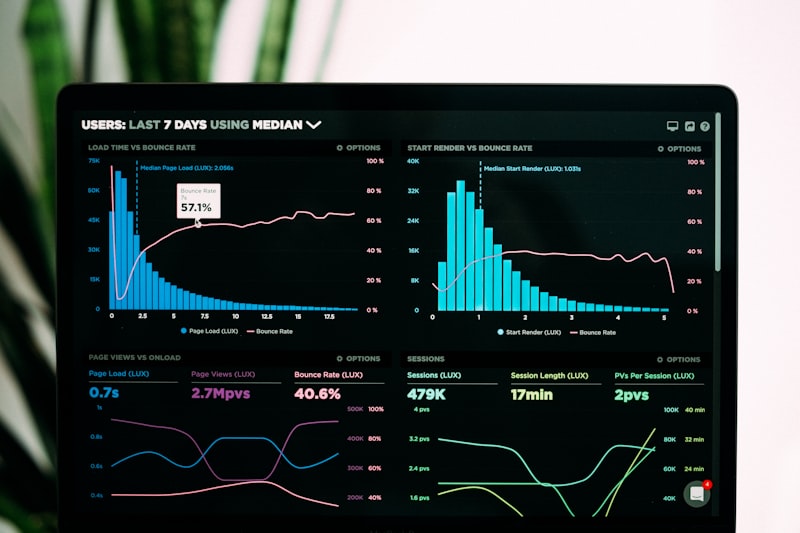 Framework for choosing the right platform
Choose OpenClaw If:
- You want to start quickly
- You value reliability over flexibility
- Your use cases are productivity-focused
- You have limited technical resources
- You prefer managed solutions
- You want official support
- Time-to-value matters most
Choose AutoGPT If:
- You're technically skilled
- You need maximum customization
- You're researching AI agents
- You want to use specific LLMs
- You prefer open-source
- You have development resources
- Flexibility matters most
Hybrid Approach
Some users run both:
- OpenClaw for daily productivity
- AutoGPT for experimentation
This provides reliability for important tasks while maintaining flexibility for exploration.
Decision Checklist
-
Technical skill level?
- Low-Medium → OpenClaw
- High → Either (preference)
-
Primary use case?
- Productivity → OpenClaw
- Research/Custom → AutoGPT
-
Time available for setup?
- Hours → OpenClaw
- Days/Weeks → AutoGPT acceptable
-
Maintenance tolerance?
- Low → OpenClaw
- High → AutoGPT acceptable
-
Budget structure?
- Prefer subscription → OpenClaw
- Prefer variable → AutoGPT
Conclusion: The Right Tool for the Job
 Choosing the right AI assistant platform
OpenClaw and AutoGPT serve different needs despite similar goals. OpenClaw delivers a polished, reliable experience for users wanting AI assistance without deep technical investment. AutoGPT offers unlimited flexibility for those willing to build and maintain their own solutions.
Summary recommendations:
- For most business users: OpenClaw's reliability and ease of use make it the practical choice
- For developers and researchers: AutoGPT's flexibility enables custom solutions impossible elsewhere
- For learning AI agents: Start with OpenClaw to understand capabilities, then explore AutoGPT to understand internals
Whatever you choose, both platforms represent the cutting edge of autonomous AI assistance. The best choice is the one you'll actually use.
Ready to get started? Check our guide to building 24/7 AI assistants for implementation details, or explore our AI agent deployment guide for business-focused approaches.
Comparison based on OpenClaw 2026.2 and AutoGPT 0.5.x. Features may have changed.
More Articles
The Ultimate OpenClaw AWS Setup Guide
The definitive guide to setting up OpenClaw on AWS. Includes spot instance configuration, cost optimization, and step-by-step instructions.
Building AI Workflows with Tool Chaining in OpenClaw
Master the art of chaining tools and function calls to build powerful multi-step AI automation workflows—from data extraction to content generation and deployment.
Cost Optimization Guide for Self-Hosted AI Assistants: Run Claude on a Budget
Practical strategies to reduce API costs for self-hosted AI assistants—smart model routing, caching, batching, and OpenClaw-specific optimizations to run Claude affordably.